International Solidarity through Artistic & Cultural Heritage
Reclaiming Montparnasse as the historic epicentre of an interconnected, global arts community, the Montparnasse International Initiative positions the École de Paris as a vital contemporary model for international solidarity. By bridging heritage sites with contemporary institutions, we amplify the district’s inclusive identity within a global framework. Through an interdisciplinary approach that upholds the artist’s right to explore, invent, and seek refuge, this initiative asserts that intercultural dialogue is our most powerful path toward shared values, mutual understanding, and peace.
From the École de Paris to Contemporary Creation
The Birth of a Global Art Capital
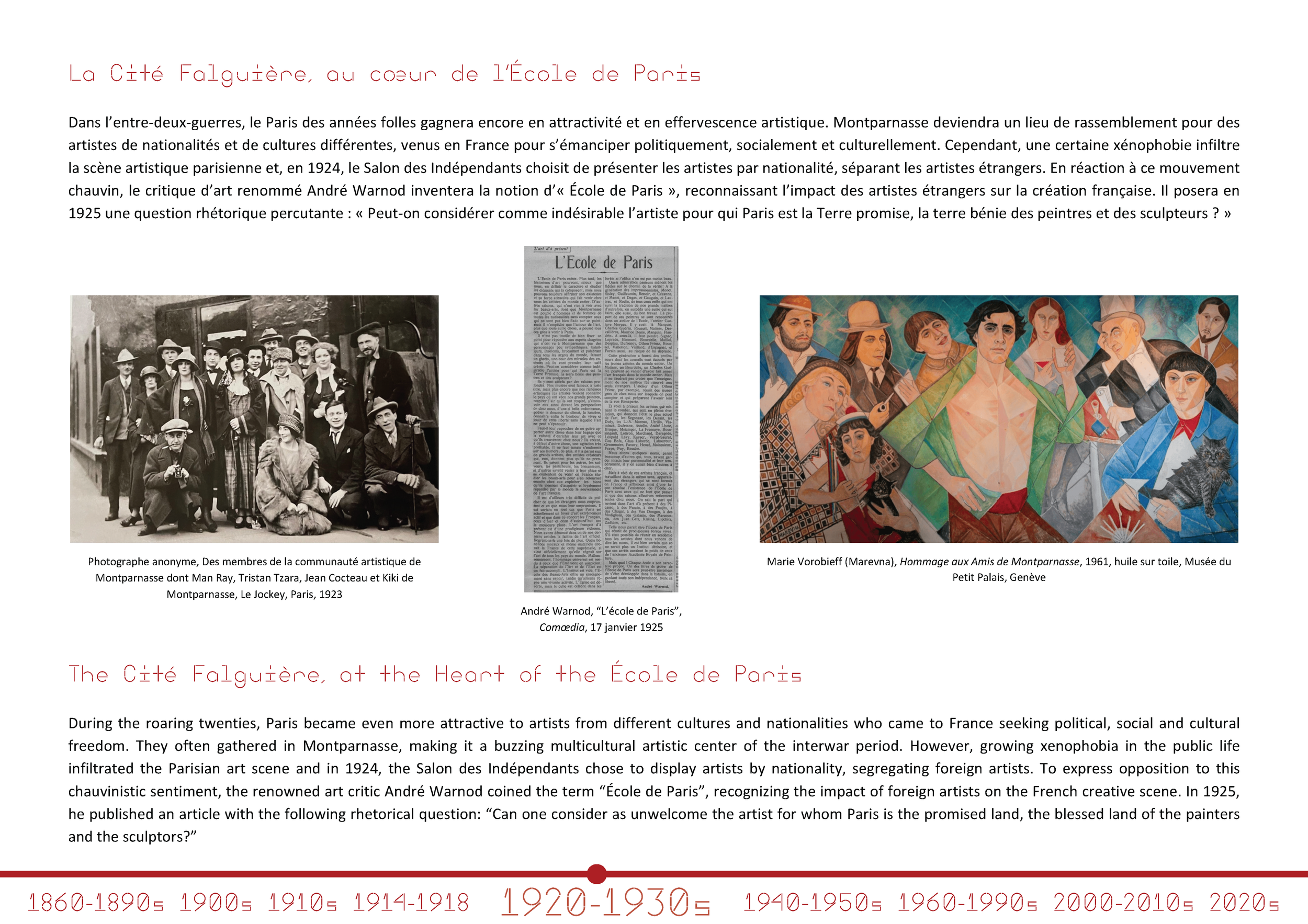
The École de Paris was a transformative, artist-led movement that facilitated a global convergence in early 20th-century Paris. Amidst the rapid expansion of transportation, artists from various cultures, nationalities, and backgrounds sought out the vibrant Montparnasse neighborhood in search of freedom and safety.
From the 1900s onwards, these international creators congregated in this specific district, forming tight-knit communities that nurtured the exchange, inspiration, and collaboration necessary to transform Montparnasse into the global capital of modern art.

La Gare Montparnasse - carte postale ancienne éditée par AL, n°48, Paris, 1920
Defining the "École de Paris"
The term École de Paris did not signify a single formal movement or specific style; rather, it celebrated the cosmopolitan energy that defined the city. Coined by critic André Warnod in 1925 to defend foreign-born artists against rising nationalist and xenophobic sentiments, it honored an extraordinary mosaic of voices.
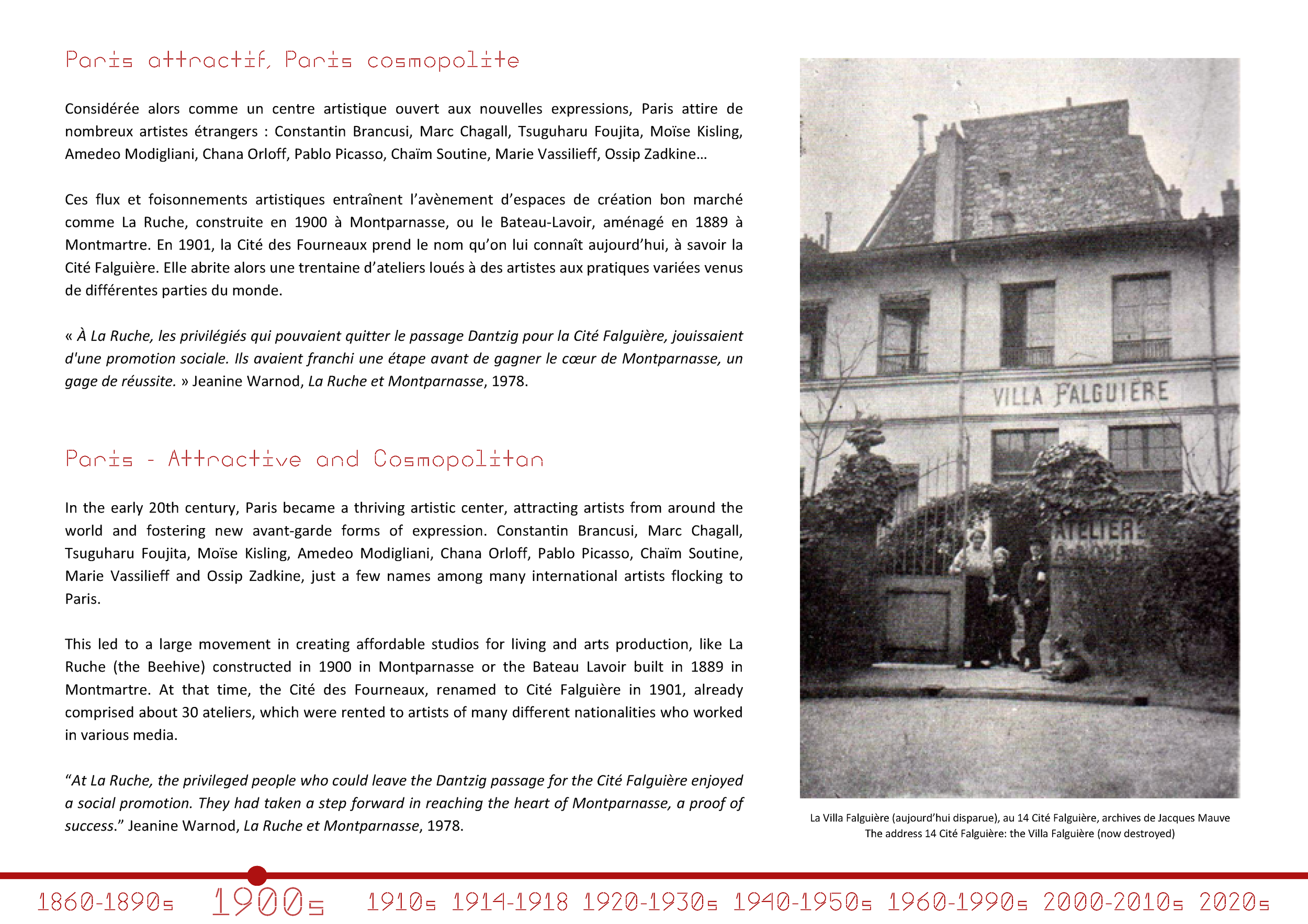
Figures such as Chaïm Soutine from Belarus, Amedeo Modigliani from Italy, Chana Orloff and Sonia Delaunay from the Ukraine, Diego Rivera from Mexico and Marie Vassilieff from Russia gathered in Montparnasse, blending their ancestral heritages with the experimental spirit of the Parisian avant-garde to mark a defining epoch in Modern art history.

André Warnod, Les Berceaux de la jeune peinture, Paris, 1925. Illustration d'Amedeo Modigliani
Montparnasse: A Living Laboratory of Modernity
This inter-war era served as a living laboratory of modernity, where the plurality of languages fostered a culture of extraordinary artistic innovation. Often excluded from traditional institutions, artists utilized Montparnasse as a base to build their own support networks alongside French intellectuals, dealers, and patrons, proving that art could serve as a bridge between different cultural identities.
In the heart of Montparnasse, artists studied and taught at independent academies like the Académie Colarossi and La Grande Chaumière, building strong networks of solidarity within the district's arts residences. Painters and sculptors, including Constantin Brancusi, Léonard Tsuguharu Foujita, and Ossip Zadkine, experimented with new forms of figurative and avant-garde art, reinforcing a profound sense of artistic community.
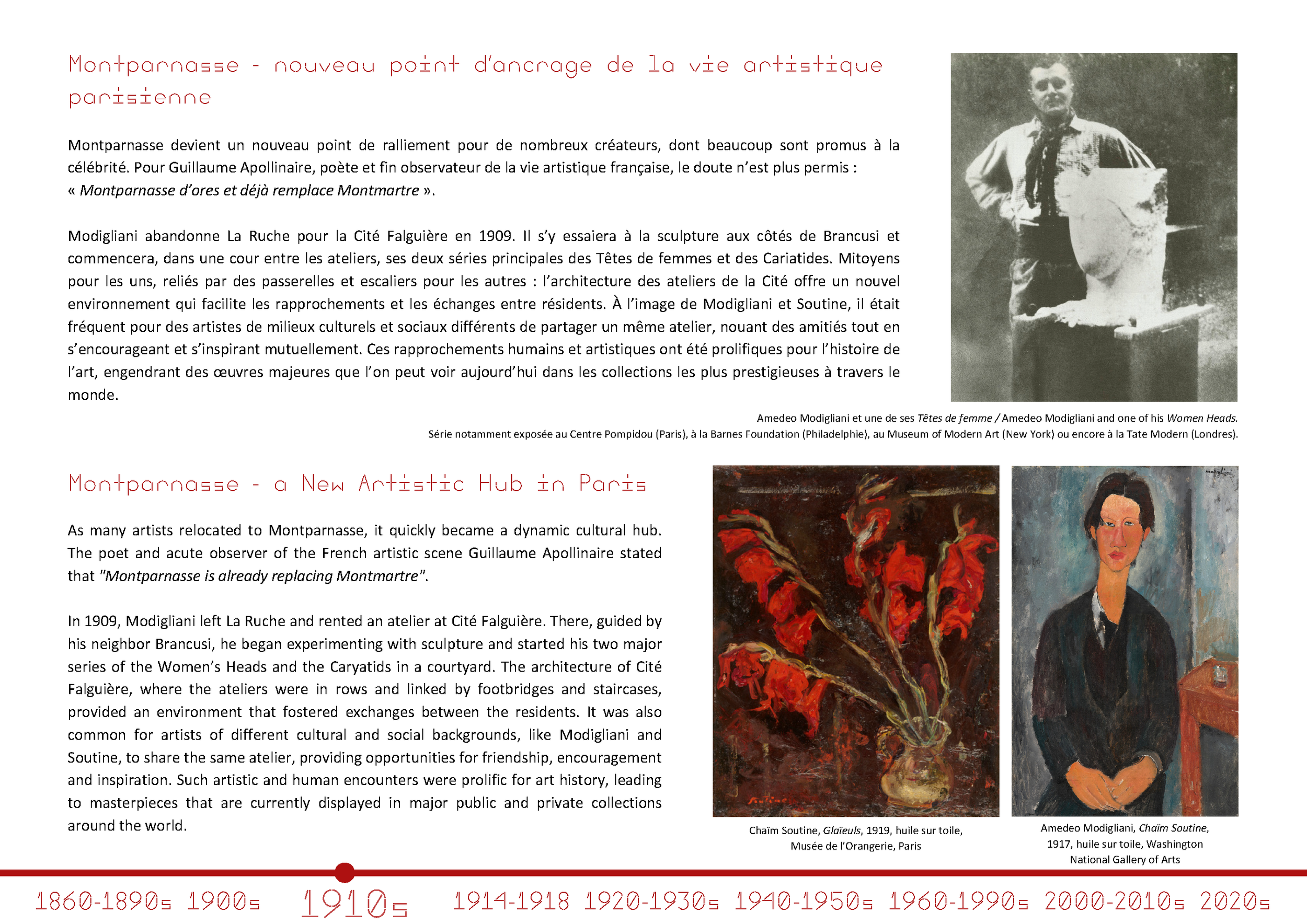
This specific location allowed cafés to become vital spaces for debate, exhibitions, and creative exchange, while jazz clubs and balls fueled the cultural energy of the "Roaring Twenties."

Josephine Baker performing the Charleston at the Folies Bergère, Paris
Evolution Into the Postwar Era
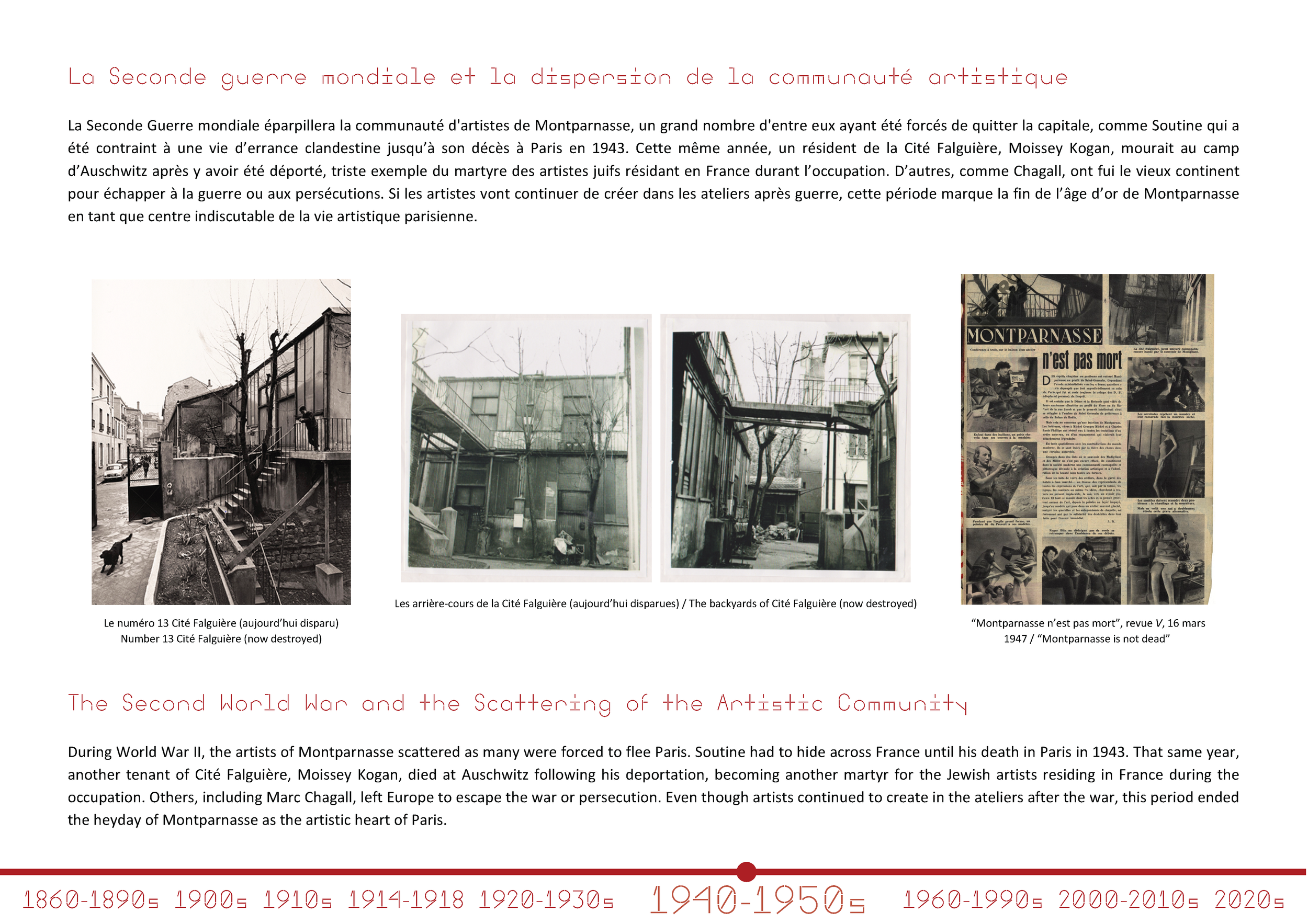
The spirit of the École de Paris continued to resonate deeply in the decades following World War II. Montparnasse evolved into a plural, highly international ecosystem that remained a crucial sanctuary for global creators seeking a community built on artistic freedom and open experimentation.
This postwar generation ensured that the district maintained its fierce dedication to cross-cultural dialogue and borderless creativity. Figures from diverse horizons—including Alberto Giacometti, Yves Klein, Niki de Saint Phalle, Frans Krajcberg, Agnès Varda and Claude de Soria—converged here to push the boundaries of expression, proving that Montparnasse remained a vital laboratory for artists to challenge traditions and innovate without boundaries.

Détail du plan de Paris en 1944 par le service des cartes © US Army Map Service (source: the University of Texas, Austin)
Preserving the Montparnasse Legacy Today
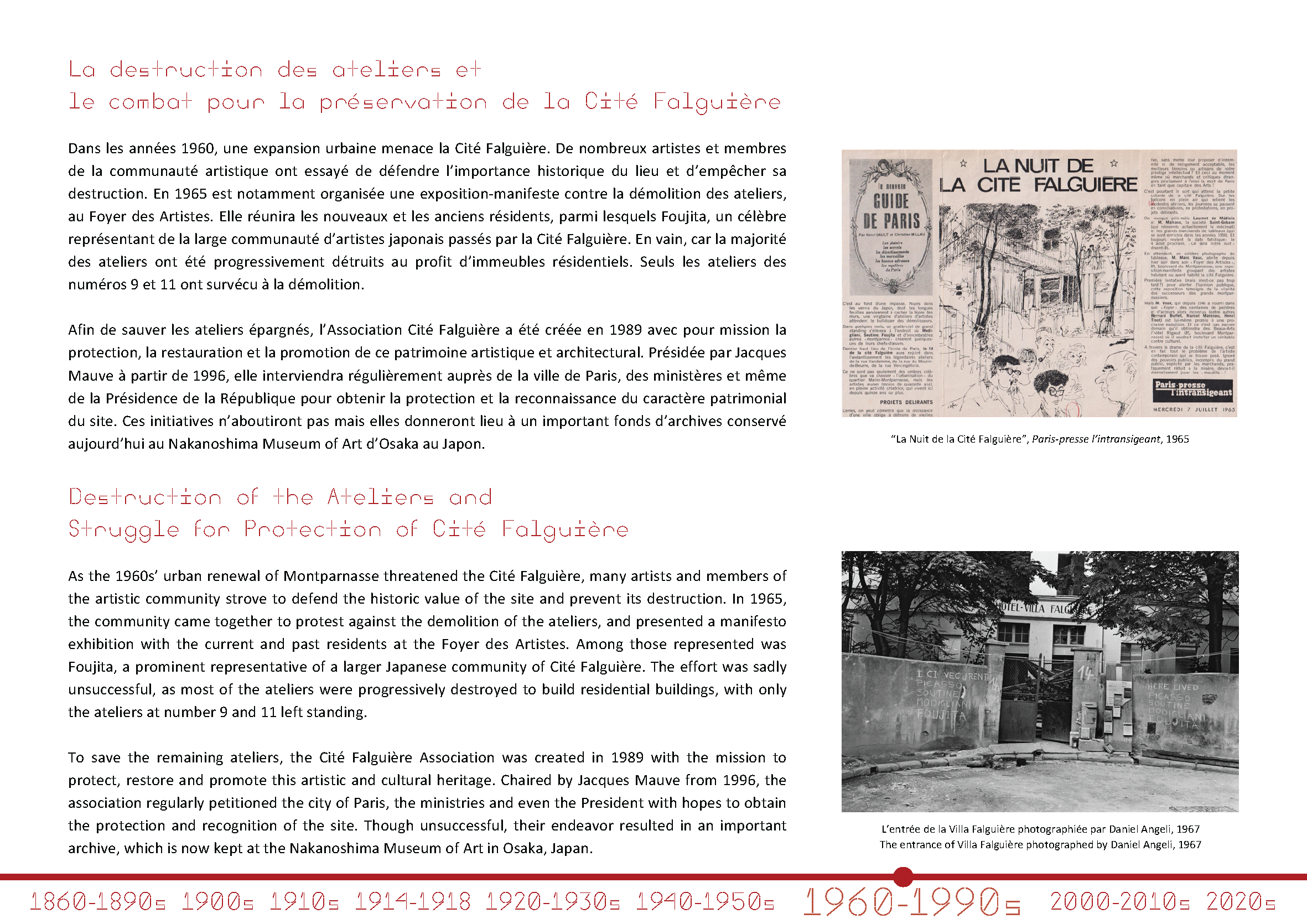
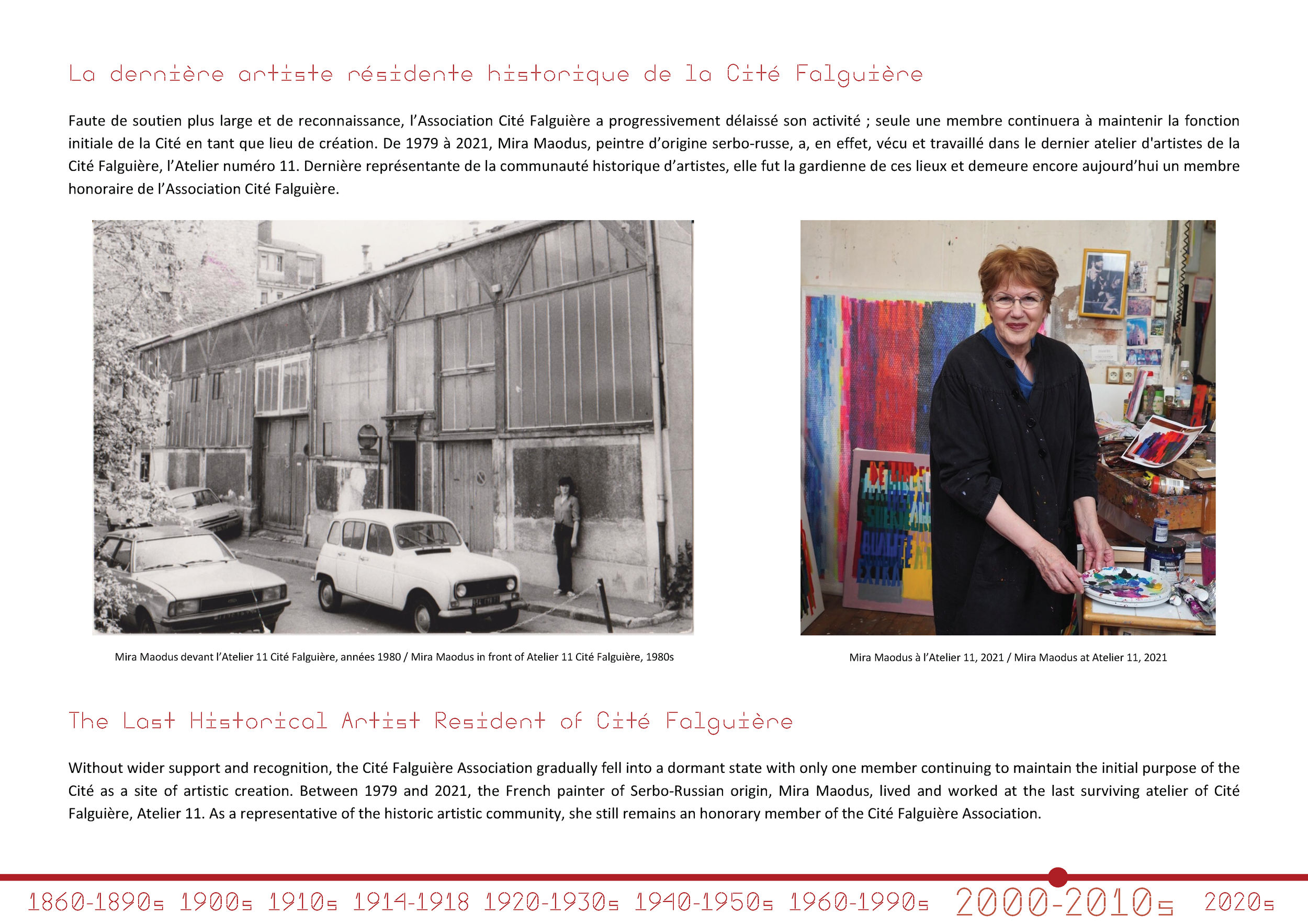
The traces of the remarkable École de Paris period are still visible in Montparnasse today, evoking the vibrant atmosphere of this defining era. Museum-ateliers, cultural plaques, historic cafés, and cemeteries preserve this memory, while newly formed multicultural artistic communities maintain the open and inclusive identity of Montparnasse and its enduring legacies.
Today, this legacy remains a powerful historical model for cultural hospitality, demonstrating how the intersection of exile and creativity in a specific territory can produce a universal language of humanity and drive enduring cultural cohesion.
Building upon this foundation, the Montparnasse International initiative scales this local heritage into a cultural ecosystem with global reach.
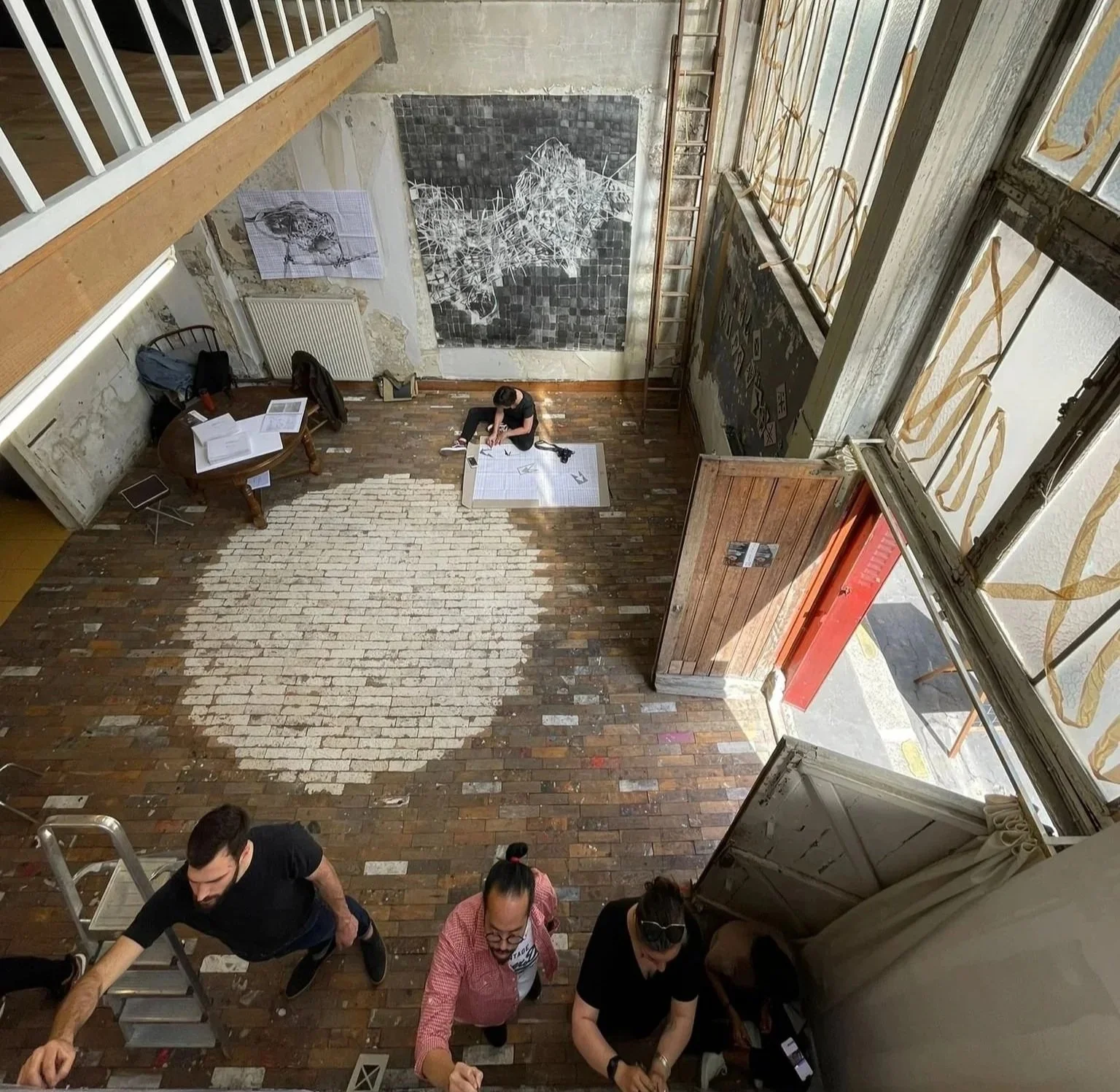
Atelier 11 Cité Falguière, featuring installations by contemporary artists-in-residence: Luis Chenche (Ecuador ), Maryna Semenkova (Ukraine), Didier Clain (Ile de la Réunion) and Véronique Devoldère (France)
2022 © L’AiR Arts
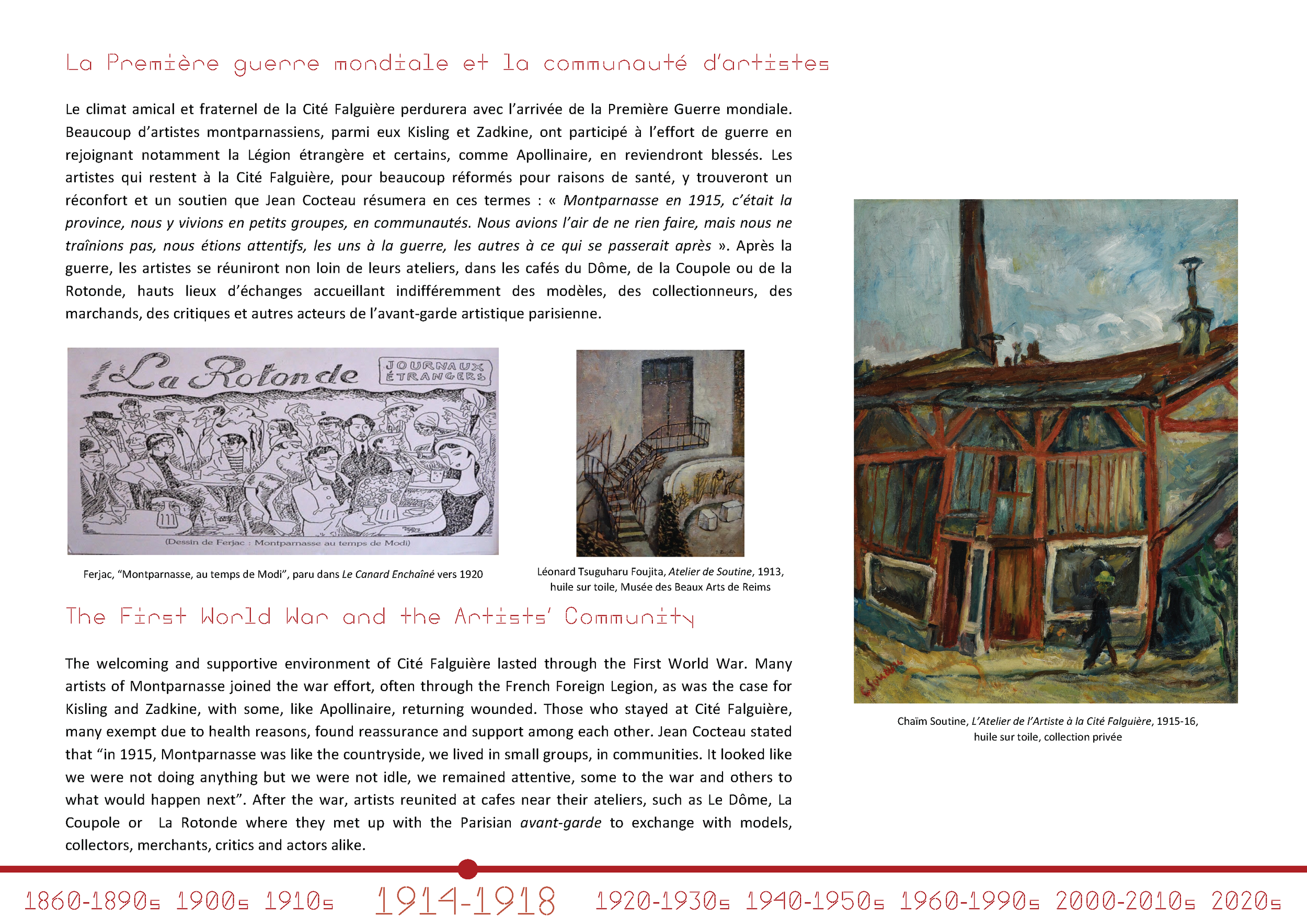
Explore 150 Years of Montparnasse Artistic Heritage at Atelier 11 Cité Falguière